
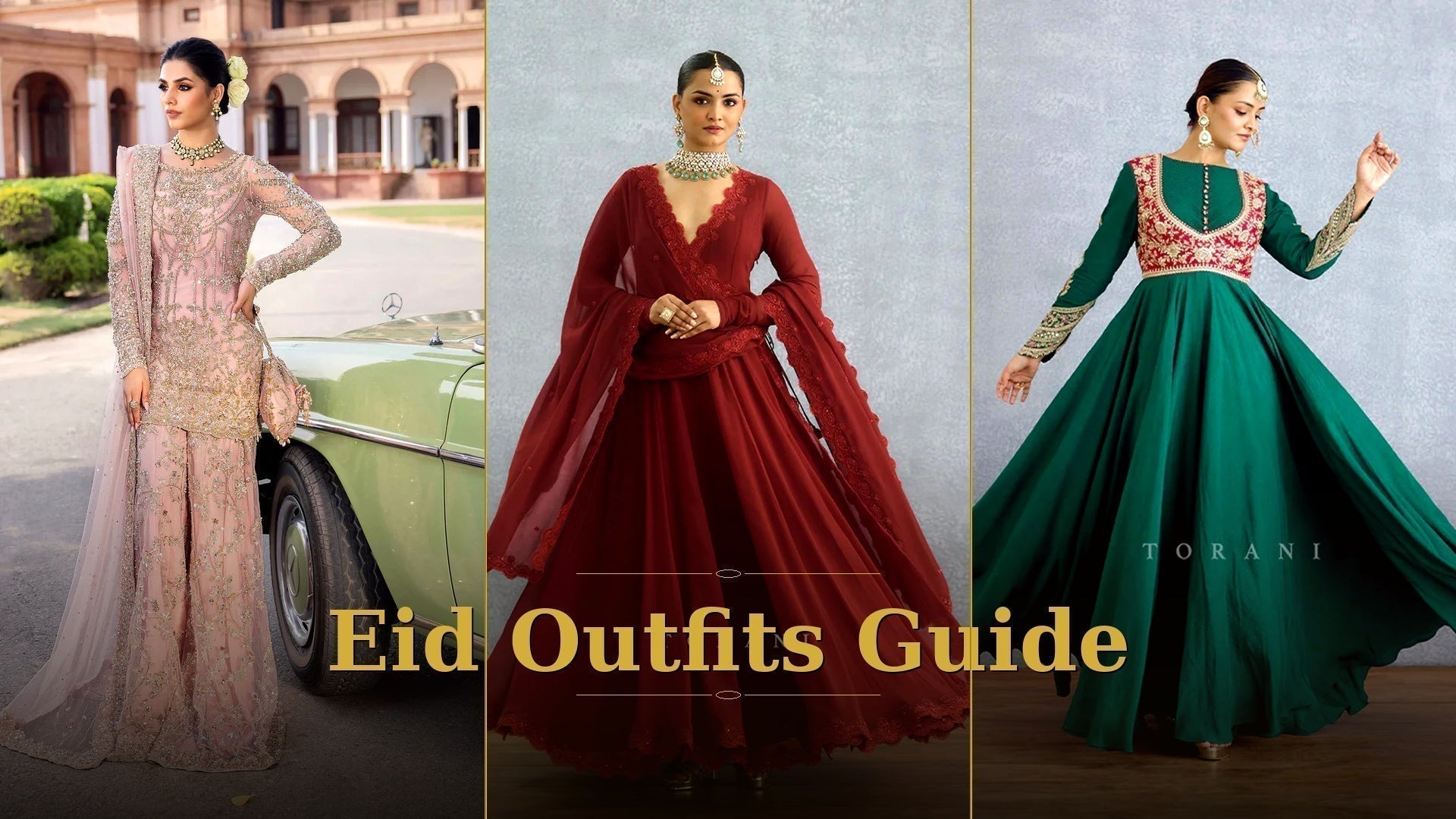
Eid Outfits Guide: Traditional Looks with Modern Appeal
Eid is among the most significant celebrations in the Islamic calendar, marked by prayer gatherings, family visits, festive meals and community events. Clothing for the occasion holds cultural importance and reflects both personal style and traditional values. Selecting appropriate Eid outfits involves balancing heritage aesthetics with modern design preferences, ensuring comfort while maintaining a refined festive presence.
Over time, designer collections have introduced contemporary silhouettes, premium fabrics and intricate craftsmanship into traditional festive wear. Modern Eid outfits now include structured Anarkali sets, embroidered shararas, layered ensembles and statement dupattas. These garments preserve traditional craftsmanship while adapting to contemporary styling expectations.
This guide examines the key design elements that define elegant Eid outfits, along with curated recommendations that demonstrate how heritage design continues to evolve within modern festive fashion.
Key Elements That Define Elegant Eid Outfits
Festive dressing for Eid traditionally incorporates detailed embroidery, luxurious textiles and silhouettes that offer both movement and elegance. The following design elements remain fundamental when selecting refined Eid outfits.
Rich Festive Fabrics
High quality fabrics are essential to festive attire. Materials commonly used in designer Eid ensembles include:
-
Silk and soft silk blends
-
Georgette and chiffon
-
Net with hand embellishments
-
Crepe fabrics for structured silhouettes
These textiles allow embroidery and surface detailing to stand out while maintaining fluid movement.
Traditional Embroidery Techniques
Embroidery remains central to festive clothing. Popular embellishment techniques include:
-
Zari and zardosi metal thread work
-
Dori embroidery for texture and structure
-
Sequin and bead accents
-
Pearl and stone embellishments
These decorative techniques create depth and visual richness in designer Eid outfits.
Statement Dupattas
Dupattas remain a defining component of traditional festive attire. Embroidered borders, pearl detailing and printed motifs allow the dupatta to complement or contrast the main garment.
Balanced Silhouettes
Modern festive design focuses on silhouettes that combine comfort with visual impact. Common silhouettes include:
-
Flared sharara sets
-
Angrakha-style Anarkalis
-
Structured kurta sets
-
Layered ensembles with embroidered jackets or dupattas
These silhouettes ensure festive clothing remains comfortable during long celebrations.
Designer Eid Outfit Recommendations
The following ensembles illustrate how modern designers reinterpret traditional festive attire while preserving the cultural significance of Eid outfits.
1. Green Soft Silk Sharara Set

The Green Soft Silk Sharara Set represents a vibrant interpretation of classic festive styling. The ensemble includes a short kurta paired with a flared sharara, crafted from soft silk fabric known for its smooth texture and subtle sheen.
The kurta features scattered floral and chatai textures throughout the garment, creating depth across the fabric surface. Intricate boti embroidery enhances the design, while the neckline and hem are heavily embellished using zari and zardosi work. These decorative techniques reflect traditional craftsmanship frequently associated with formal festive attire.
The sharara complements the kurta with dense scattered embroidery across the flared silhouette. Completing the ensemble is a hot pink soft silk dupatta featuring floral border embroidery and delicate pearl detailing.
This combination of jewel-toned colours and intricate detailing makes the set particularly suitable for daytime Eid celebrations and formal family gatherings.
2. Yashm Mahsa Anarkali Set

The Yashm Mahsa Anarkali Set showcases the enduring popularity of Anarkali silhouettes within modern Eid outfits. Crafted from luxurious jeni silk, the ensemble features a rich dark green shade that aligns with traditional festive colour palettes.
The Anarkali itself maintains a clean, structured silhouette while incorporating an embroidered panel that enhances the overall design without overwhelming the garment. The accompanying odhni introduces a contrasting hot pink tone, creating visual balance and highlighting the rich jewel-toned colour scheme.
Anarkali sets remain particularly popular for Eid because they combine comfort with ceremonial elegance. The flared silhouette allows ease of movement while maintaining a formal appearance suitable for gatherings, prayer events and festive dinners.
3. Laalima Prisha Anarkali Set

The Laalima Prisha Anarkali Set presents a more traditional interpretation of festive attire through its angrakha style construction. This ensemble includes an Anarkali, churidaar and odhni, designed in a deep maroon shade that reflects classic festive colour traditions.
Crafted using georgette and cotton silk fabrics, the garment balances structure with fluidity. The outfit is intricately detailed with hand embroidery and dori work, techniques that create textured patterns across the garment surface.
The angrakha style closure introduces a heritage inspired silhouette that has long been associated with royal South Asian attire. This design element enhances the elegance of the garment while reinforcing the traditional character of the ensemble.
For individuals seeking culturally grounded Eid outfits, this design offers both authenticity and sophistication.
4. Yellow Fuchsia Print and Highlighted Sharara Set

Print based festive ensembles have become increasingly popular in recent years. The Yellow Fuchsia Print and Highlighted Sharara Set demonstrates how vibrant prints can coexist with traditional silhouettes.
This ensemble includes:
-
A cap sleeve square neck blouse
-
A printed sharara featuring yellow and fuchsia jaal patterns
-
A coordinated printed dupatta with highlighted borders
The fabrics used in this set include crepe, georgette and chiffon, allowing the outfit to maintain structure while providing a light and breathable wearing experience.
The printed jaal pattern introduces visual complexity without relying heavily on embroidery, making the ensemble particularly suitable for daytime celebrations or casual festive gatherings.
5. Aria Ensemble

The Aria ensemble offers a refined interpretation of modern festive elegance. This set includes a net shirt, sharara pants and a coordinating dupatta designed with intricate embellishment.
The net shirt features detailed hand embellishments in gold and silver, creating a layered visual effect across the garment surface. These embellishments enhance the delicate nature of the fabric while maintaining a balanced appearance.
The sharara pants mirror the embellishment details, adding continuity to the overall ensemble. Completing the look is a net dupatta featuring a lavish pearl adorned border and a delicate sitara spray.
This ensemble exemplifies how modern designer Eid outfits integrate traditional embellishment techniques within contemporary silhouettes.
How to Choose the Right Eid Outfit
Selecting appropriate Eid outfits requires careful consideration of several factors.
Consider the Event Setting
Different Eid gatherings may require varying levels of formality. Daytime family gatherings may call for lighter fabrics and prints, while evening celebrations often favour richer fabrics and heavier embroidery.
Focus on Fabric Comfort
Eid celebrations often involve long hours of social gatherings. Breathable fabrics such as silk blends, georgette and chiffon provide comfort without compromising elegance.
Balance Embroidery and Silhouette
Heavily embroidered garments should be balanced with simpler silhouettes. Similarly, structured silhouettes may benefit from subtle embroidery.
Choose Versatile Colours
Traditional festive colours such as emerald green, maroon, and gold remain timeless, while brighter tones like yellow and fuchsia introduce vibrancy to festive wardrobes.
Conclusion
Festive fashion continues to evolve while remaining deeply connected to cultural heritage. The most refined Eid outfits combine traditional embroidery, luxurious fabrics and thoughtfully designed silhouettes that suit contemporary celebrations.
By selecting garments that balance craftsmanship with comfort, individuals can create festive looks that feel both timeless and relevant. Carefully designed ensembles that preserve traditional aesthetics while introducing modern detailing represent the future of festive fashion.
For those seeking thoughtfully crafted designer festive ensembles that embody this balance of tradition and refinement, collections available at Sia Bridal present a compelling destination.
FAQs
1. What should women wear for Eid celebrations?
Women typically wear traditional outfits such as Anarkali suits, sharara sets, lehengas, or embroidered kurta sets. These garments often feature festive fabrics, intricate embroidery and vibrant colours suitable for celebrations.
2. Which colours are best for Eid outfits?
Popular colours for Eid outfits include emerald green, maroon, gold, ivory and pastel shades. Jewel tones are commonly chosen for evening celebrations, while lighter colours work well for daytime gatherings.
3. Are sharara sets suitable for Eid?
Yes. Sharara sets are widely worn during Eid because they combine traditional elegance with comfort. Their flared silhouette allows ease of movement while maintaining a festive appearance.
4. What fabrics are commonly used for Eid outfits?
Common fabrics include silk, georgette, chiffon, crepe and net. These materials provide structure, comfort and the ability to support intricate embroidery and embellishments.
5. Can printed outfits be worn for Eid?
Yes. Printed outfits are suitable for Eid, especially for daytime gatherings. Many designer ensembles combine vibrant prints with traditional silhouettes to create festive yet comfortable clothing options.